The Best Time of Year to Pressure Wash Your Lake Property
Mawson Lakes in northern Adelaide is built around a network of man-made lakes, wetlands and landscaped waterways. Homes and properties here deal with a particular set of cleaning challenges: algae and mould on shaded surfaces, mineral deposits from water spray, bird droppings from the abundant waterbird population, and fine dust carried on summer winds. Choosing the right time of year to pressure wash can improve results, protect your surfaces and make the job easier and safer to complete.
Understanding Mawson Lakes' Climate
Mawson Lakes has a Mediterranean climate, typical of Adelaide. Summers are hot and dry, with many days exceeding 35°C. Winters are mild but wetter, with most of the annual rainfall arriving between May and September. Spring and autumn are generally mild and stable. This pattern directly shapes when exterior cleaning works best.
Because the suburb sits close to lakes and wetland areas, humidity near the water is often higher than in surrounding inland suburbs. That moisture encourages biological growth such as green algae, black mould and lichen, particularly on south-facing walls, pergolas, decking and paving that stay damp.
Autumn (March to May): Often the Best Overall Window
For most lake-side properties, autumn is the ideal time to pressure wash. Temperatures ease after summer, but the heavy winter rains have not yet arrived. This offers several advantages:
- Removes summer buildup: Dust, pollen, bird droppings and insect residue accumulate over the hot months and are best cleared before winter dampness sets in.
- Prepares surfaces for wet weather: Cleaning off organic matter before winter reduces the food source for algae and mould, helping surfaces stay cleaner for longer.
- Comfortable working conditions: Mild temperatures are better for people and for the cleaning process itself.
- Good drying conditions: Surfaces dry reasonably quickly, which is important if you plan to seal or paint afterwards.
- Leaf management: Cleaning gutters, decks and paths after the first leaf drop helps prevent tannin staining.
Spring (September to November): The Second-Best Option
Spring is another excellent time. After winter, many surfaces carry a layer of slippery algae and moss that creates a genuine slip hazard on paths, steps and lakeside decks. A spring clean removes this growth and gets outdoor areas ready for entertaining over the warmer months.
Benefits of Spring Cleaning
Temperatures are moderate, and the ground is not saturated for much of the season, so runoff is easier to manage. Spring is also a practical time to prepare surfaces for sealing, staining or repainting, as the weather is typically stable enough for coatings to cure properly.
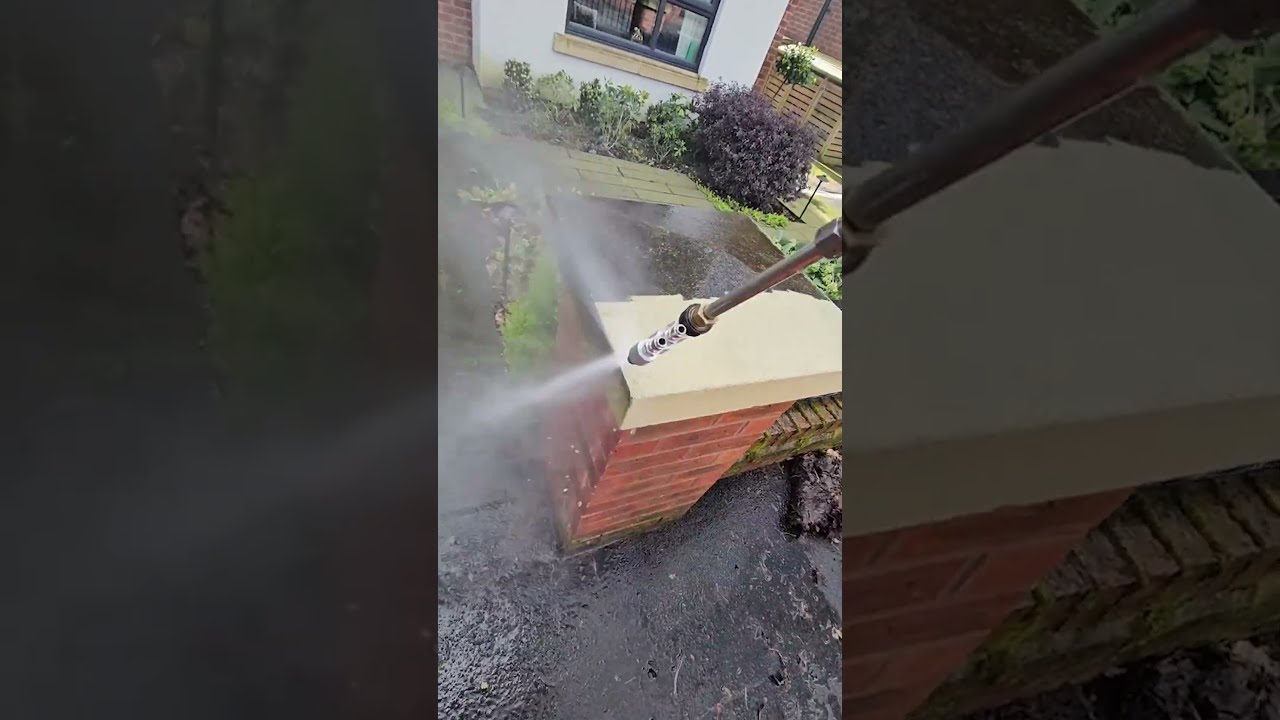
Things to Watch in Spring
Pollen levels rise in spring and can settle quickly on freshly cleaned surfaces. Windy days can also blow dust and debris onto wet areas. Early in the day or calm conditions give better results.
Winter (June to August): Possible, but With Limitations
Pressure washing in winter is possible, and it can be useful for tackling heavy algae growth. However, cooler temperatures and higher humidity mean surfaces take longer to dry. Concrete, pavers and timber may stay damp for days, and algae can start to return sooner on surfaces that do not dry out. Rain interrupting a job can also leave patchy results. If you need to clean in winter, choose a dry spell and allow extra drying time before applying any sealer.

Summer (December to February): Use Caution
Summer is generally the least ideal season for pressure washing in Mawson Lakes. Extreme heat causes water and cleaning solutions to evaporate too quickly, which can leave streaks, residue or uneven cleaning. Detergents may dry on the surface before they have time to work. Hot surfaces can also be uncomfortable and unsafe to work on.
If you must clean in summer, work early in the morning or in the evening, keep surfaces wet while treating them, and avoid direct midday sun. Total fire ban days and water restrictions, where they apply, should also be checked https://pressurecleaningmawsonlakes.com.au/roof-cleaning/ before you begin.
Surface-Specific Timing Tips
Decks and Timber
Timber needs time to dry before sealing or oiling. Autumn and spring offer the best balance of dry weather and moderate temperatures. Use lower pressure and a wide fan tip to avoid raising the grain or damaging the surface.
Concrete, Pavers and Driveways
These hardy surfaces can be cleaned in most seasons, but spring and autumn make it easier to re-seal afterwards. Cleaning before sealing allows the product to bond properly.
Render, Brick and Fences
Exterior walls near lakes often develop mould in shaded areas. Cleaning in autumn helps remove growth before winter moisture encourages it again. Soft washing is usually recommended for painted or rendered walls to avoid damage.
Boat Ramps, Jetties and Lakeside Edges
Surfaces that are regularly wet can become very slippery. Cleaning them in spring, and again in autumn if needed, reduces slip risks. Take particular care that runoff does not carry detergents or debris into the waterway.
Environmental Considerations Near the Lakes
Mawson Lakes' waterways and wetlands are part of the local stormwater system and support wildlife, including many bird species. Wash water that enters stormwater drains can flow into these waterways. To reduce environmental impact:
- Use biodegradable, low-phosphate cleaning products where possible.
- Direct wash water onto lawns or garden beds where appropriate, rather than straight into drains.
- Collect and dispose of heavy sludge, paint flakes and debris properly.
- Avoid harsh chemicals such as undiluted bleach near the water's edge.
- Keep the pressure washer and its fuel or oil well away from the water.
It is a good idea to check current guidance from the City of Salisbury and the South Australian EPA, as stormwater rules and recommendations can be updated.
How Often Should You Pressure Wash?
For most lake-side properties in Mawson Lakes, a full exterior clean once a year is a good baseline, with a second targeted clean of high-moisture or high-traffic areas, such as shaded paths, decking and pergolas, if algae returns. Properties directly adjoining water or heavy tree cover may benefit from cleaning twice a year, typically in autumn and spring.
Professional vs DIY Pressure Washing
Home pressure washers can handle light jobs, but incorrect pressure or technique can etch concrete, strip timber fibres, force water behind cladding or damage render. Professional cleaners have commercial equipment, appropriate detergents, and experience matching pressure to each surface. They can also manage runoff and work safely near water or at height. Whether you hire someone or do it yourself, always test a small, inconspicuous area first.
Final Thoughts
For Mawson Lakes properties, autumn is usually the best time of year to pressure wash, followed closely by spring. Both seasons offer mild temperatures, manageable humidity and reliable drying conditions. Winter can work during dry spells, while summer heat makes it the most challenging season. Planning your clean around the local climate, protecting the nearby waterways, and matching the method to each surface will help keep your lake property looking its best and safe to use throughout 2026 and into 2027.
Mawson Lakes Pressure Cleaning
Unit 7/12 William St, Cavan SA 5094
(08) 7282 0689